August 12, 2026 5 min read
Barrier repair, explained without the jargon
What the skin barrier is, how it gets worn down, and why the fix is usually to do less and put three lipids back.
By Tobias Renwick, Head of Formulation

Most of the questions we get are some version of the same one: my skin feels tight, it stings when I put anything on, and nothing I buy seems to help. Nine times out of ten the person writing has not got a product problem. They have a barrier problem, and usually the products are part of how it happened.
What the barrier actually is
The outermost layer of your skin is about as thick as a sheet of plastic wrap. It is made of flattened cells stacked like bricks, and between the bricks is a mortar of lipids. That mortar is roughly half ceramides, with cholesterol and free fatty acids making up most of the rest.
The job of this layer is simple. It keeps water in and it keeps most of the outside world out. When it is intact, you do not think about it. Skin feels comfortable an hour after washing, a new product is unremarkable, and wind is just wind.
How it gets worn down
The mortar can be dissolved, and the usual culprits are ordinary. A cleanser with strong surfactants lifts skin lipids along with the dirt. Acids used every night loosen more of the surface than the skin can replace. Hot water, dry indoor air and a cold winter all pull water out faster than usual. None of these is dramatic on its own. Stacked, for months, they add up.
The signs are consistent. Skin feels a size too small after washing. Products that never bothered you begin to sting. There is flaking in places that also look shiny. And, most confusing of all, skin can feel oily and dry at once, because an under-supplied barrier loses water no matter how much oil sits on top of it.
If everything stings, the answer is almost never one more product. It is fewer products, and the right three lipids.
Why three lipids, and why a ratio
If the mortar is ceramides, cholesterol and fatty acids, it would seem reasonable to put ceramides back and call it done. Research on barrier repair has suggested otherwise for a long time: supplying one of the three alone does less than supplying all three together, in a proportion close to what skin uses.
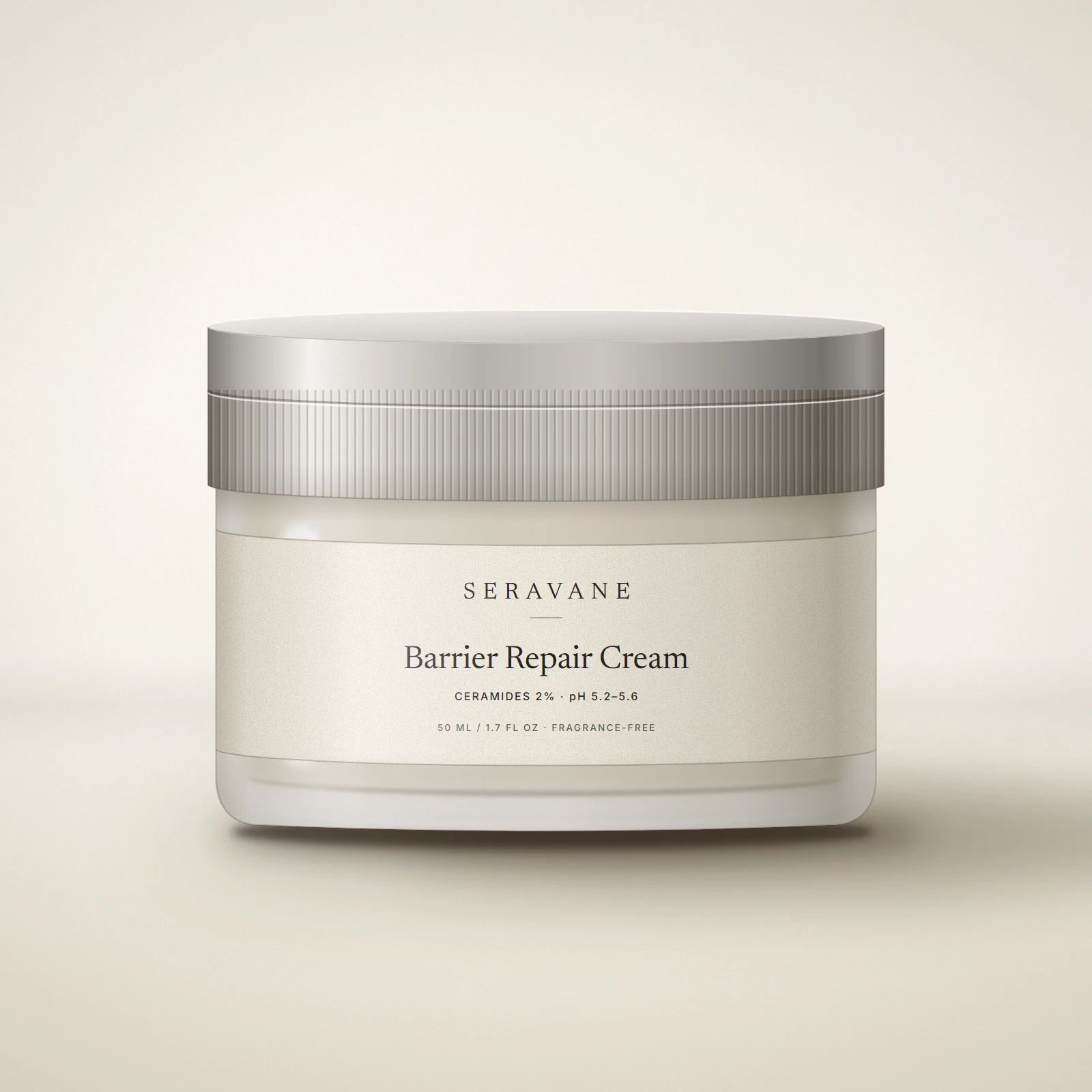
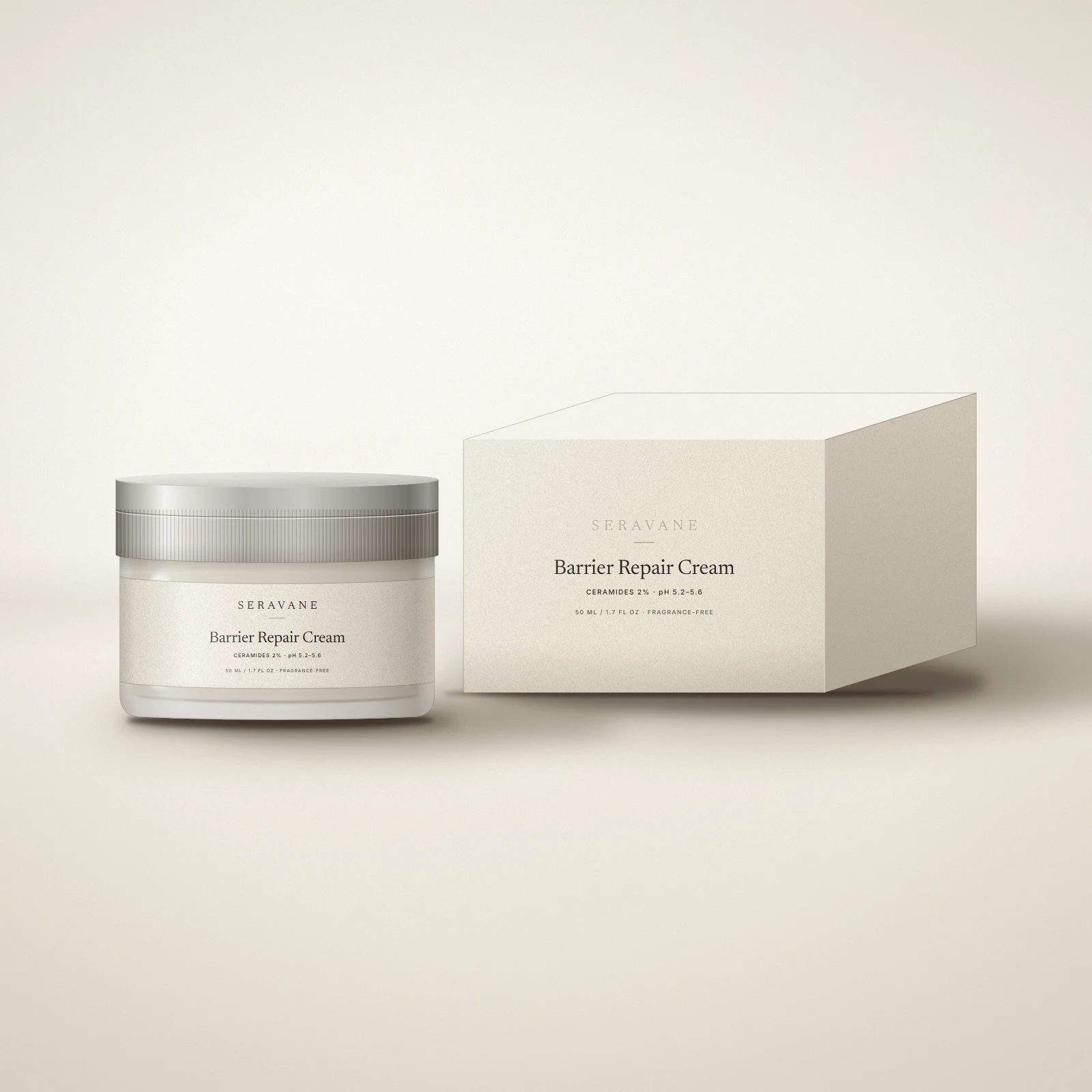
That is the reasoning behind the 3:1:1 ratio printed on our Barrier Repair Cream. Three parts ceramides, one part cholesterol, one part free fatty acids, with the ceramides at a combined 2%. We did not invent the idea. We built a formula around it and put the number where you can read it.
What a repair routine looks like
It is short, and it is a little boring. That is the point.
Stop the exfoliants
Acids, scrubs and retinoids can all come back later. For now they are taking away what you are trying to rebuild. If a retinoid is prescribed, ask whoever prescribed it before changing anything.
Wash gently
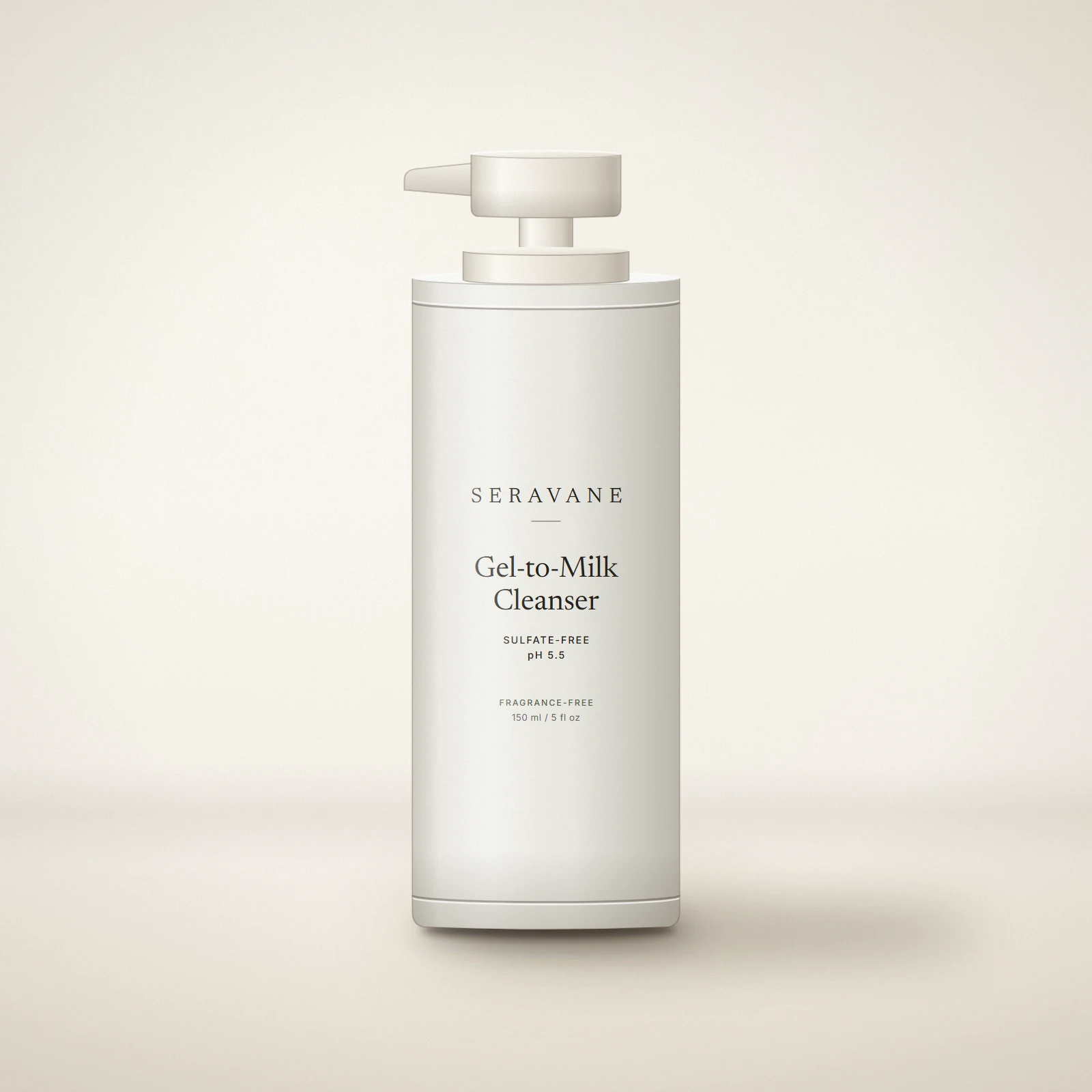
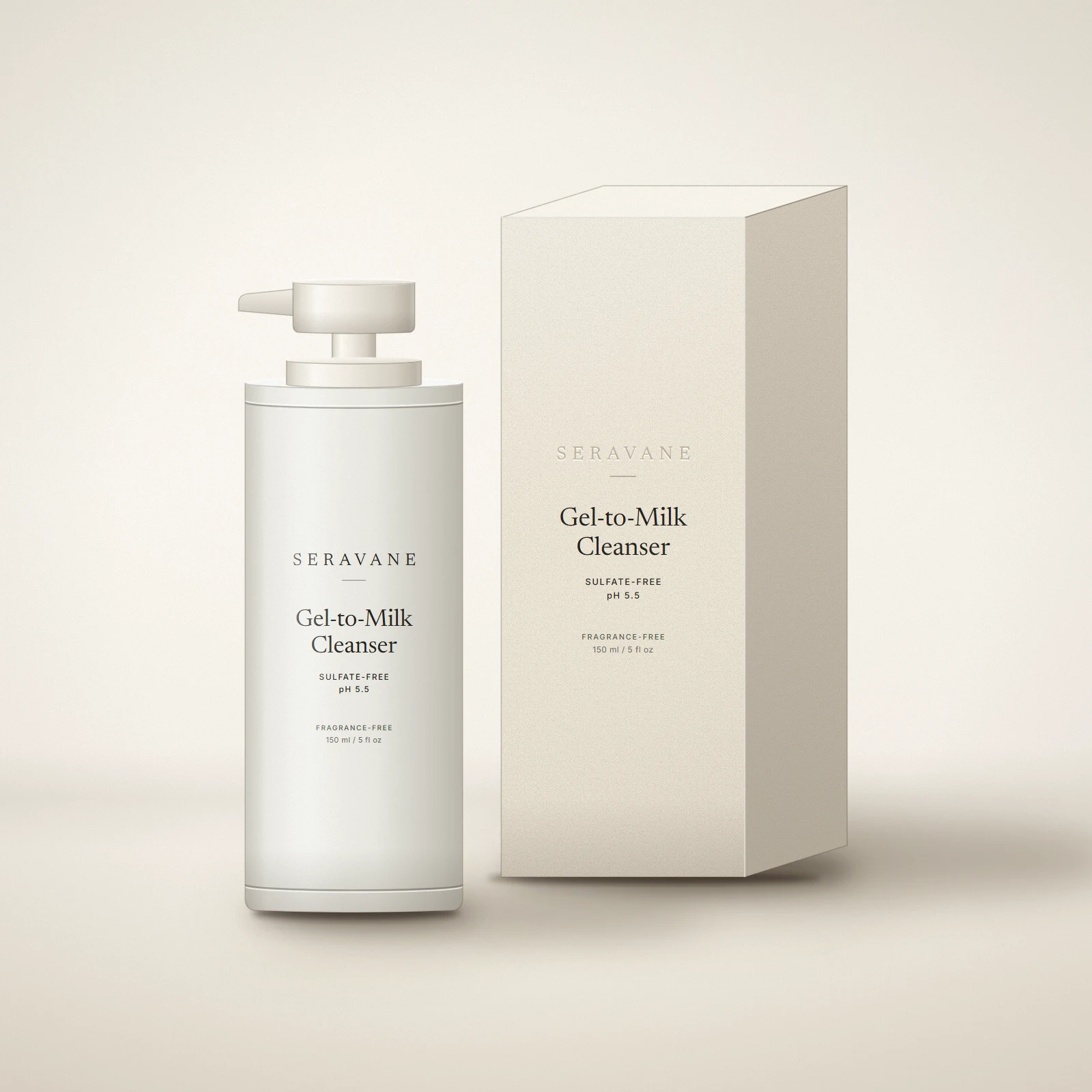
A sulfate-free cleanser at a pH close to the skin's own, lukewarm water, twice a day at most.
Put the lipids back
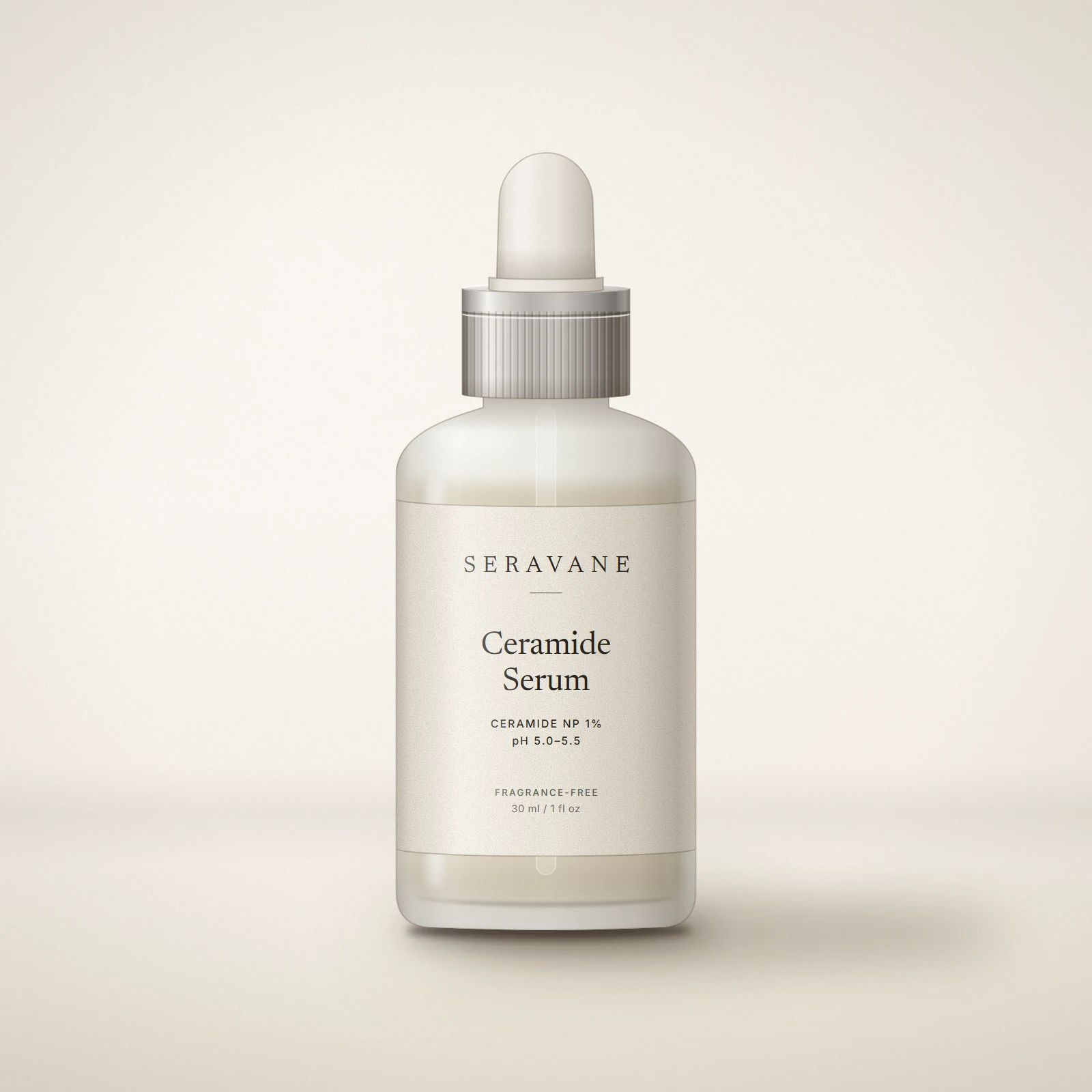
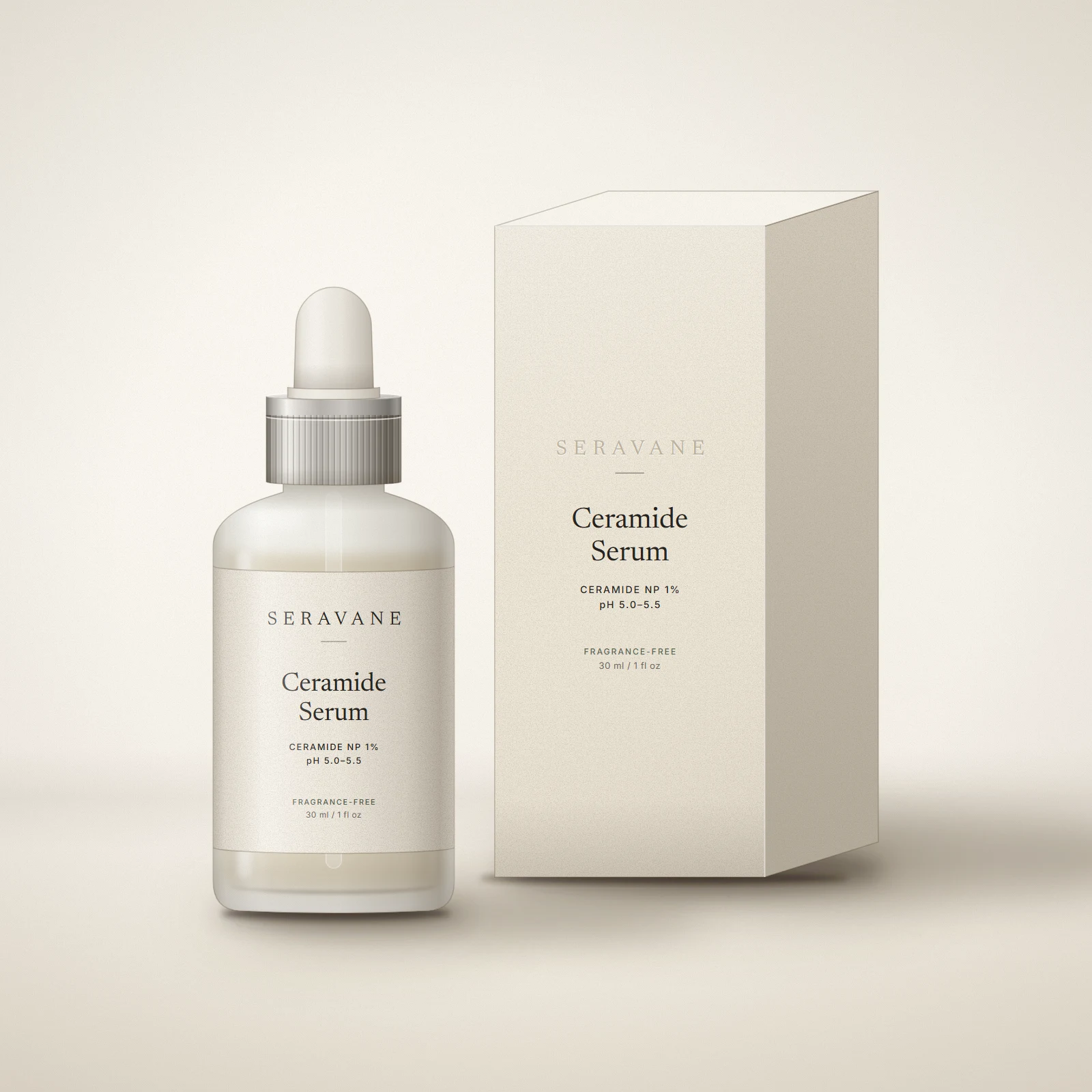
A ceramide serum if your skin is oily or the weather is humid, a ceramide cream if it is not, or both.
Protect in the morning
A worn-down barrier is more exposed to the sun. Mineral sunscreen, every morning.
Wait
Give it four weeks before you judge it or add anything.
How long it takes
In our four-week study of the Barrier Repair Cream, the water lost through the skin fell by an average of 23% by week four, and 93% of people in the consumer-use study said their skin felt less tight after washing. Those are averages, and they are our own studies, not independent research. But they match what customers tell us: the stinging tends to ease in the first couple of weeks, and the comfort arrives gradually after that.
If your skin is not settling after a month of a gentle routine, or if it is getting worse, that is the moment to see a dermatologist rather than to buy something else. A cream can support the barrier. It cannot diagnose what is going on underneath.
When to bring actives back
Once your skin is comfortable for two weeks running, add one active, and only one. Use it less often than the label allows at first. If the tightness returns, you have found your limit, and you have lost nothing but a week.
-
- Best seller
- Refillable
Moisturizer
Barrier Repair Cream
Ceramides, cholesterol and fatty acids in the 3:1:1 ratio your barrier already uses
From $18
-
Serum
Ceramide Serum
The barrier lipids of the cream, in a fluid that layers flat under sunscreen
$62
-
- Subscribe & save